Living in a period property will often mean dealing with moisture and dampness. Older properties are prone to issues, but not because of the reasons you might think.
Period homes were actually built with ventilation in mind, and most heritage homes were designed to breathe naturally, with ventilation a key part of the design. Issues arise when these measures are either not maintained, or modernisation leaves these measures ineffective.
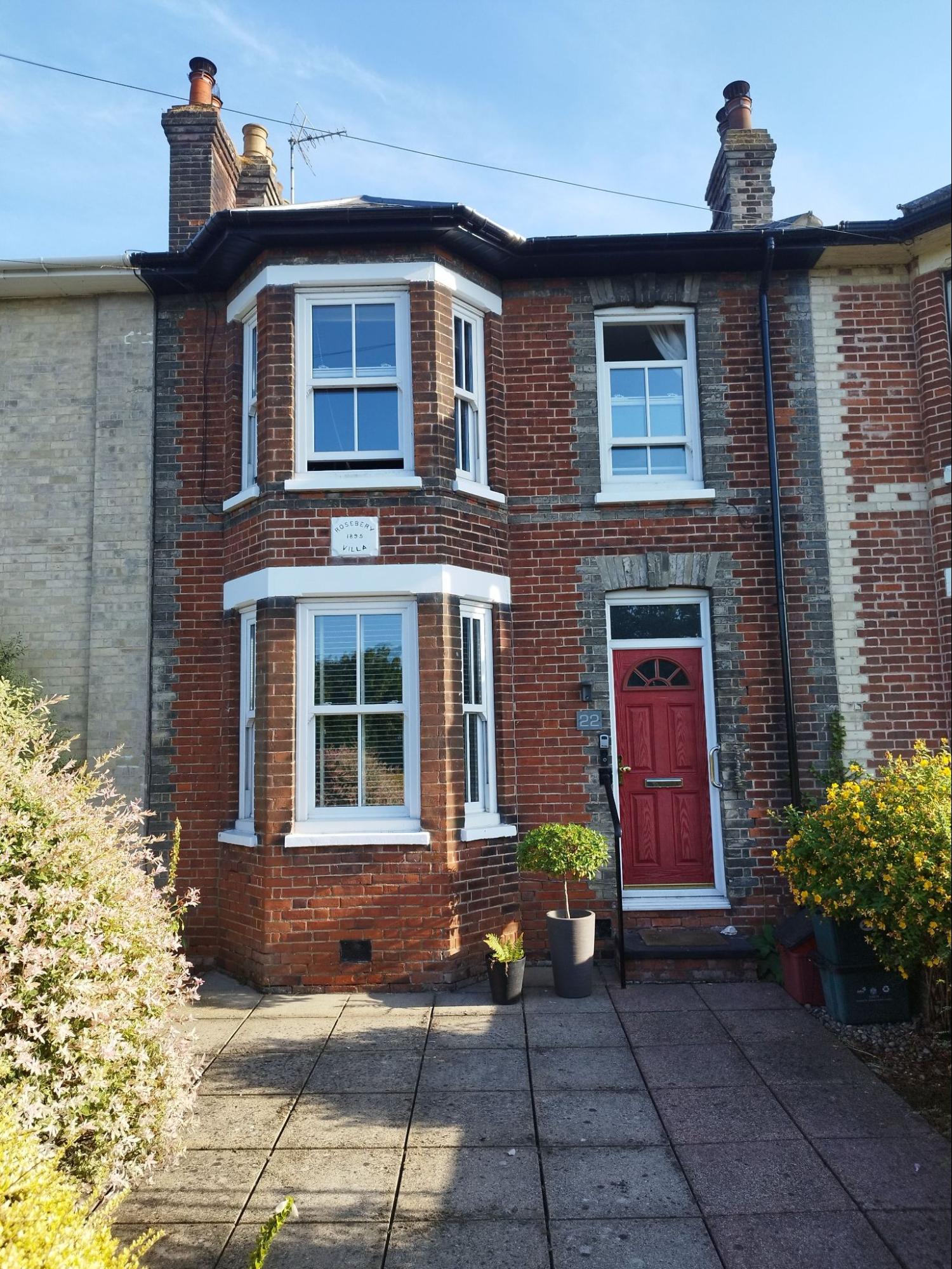
Features like open chimneys would provide excellent ventilation to help flush out moisture, so when these are blocked and covered, this leads to moisture getting trapped in the home.
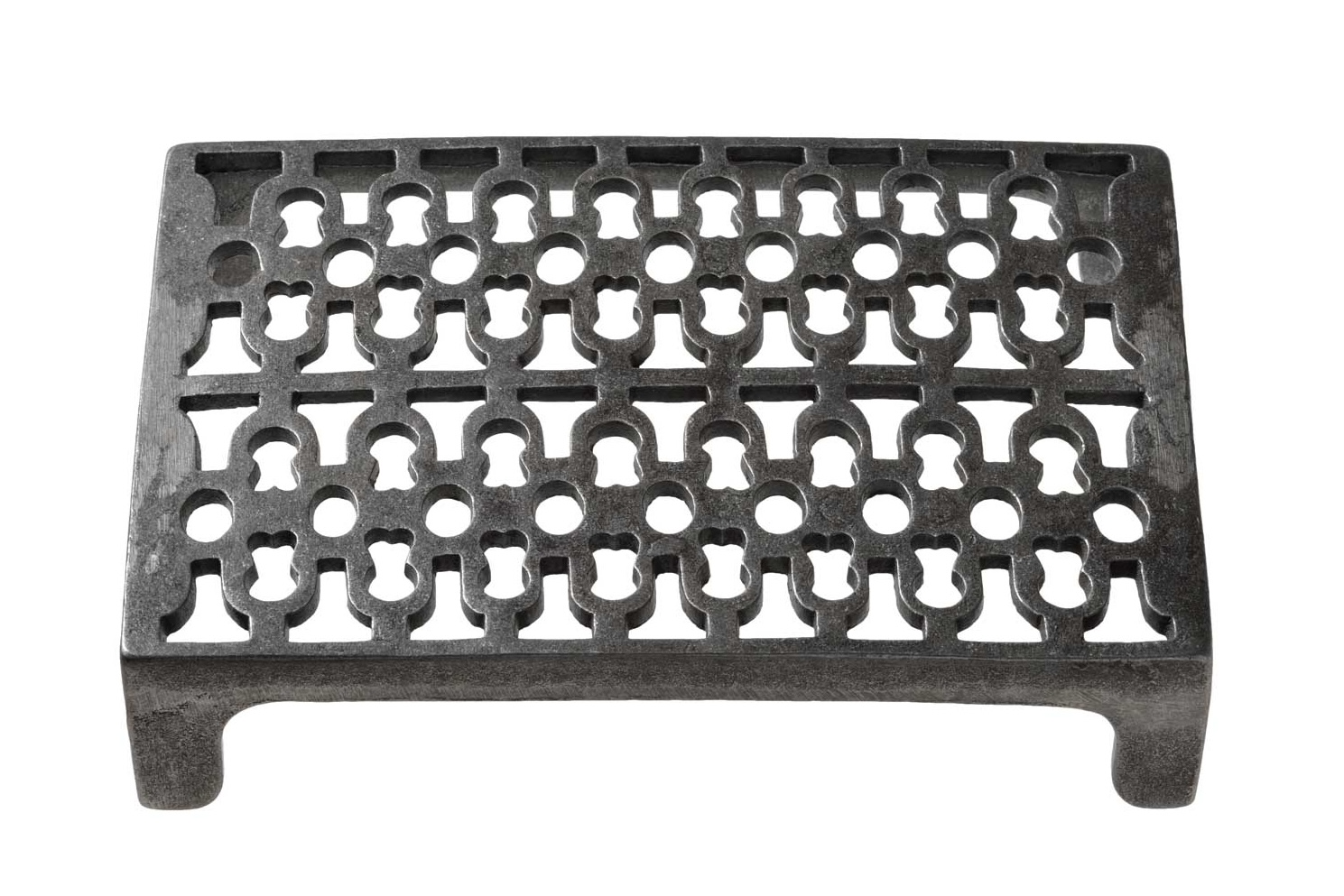
Cast iron air bricks are another excellent source of ventilation for your home, helping to provide ventilation underneath suspended timber floors. These can help to prevent moisture build up, timber rot and woodworm.
If you’re in the midst of a period property renovation, you might need to turn your attention to structural issues like ventilation before you get started on cosmetic renovations.
Look for signs of existing air bricks that might have been covered up or damaged over the years. If you can’t see air bricks, it might be time to remove bricks to replace them to improve ventilation under flooring. You can also replace terracotta air bricks with cast iron designs for a more authentic and stylish finish.
If you’re not afraid to get your hands dirty, this should be an easily managed DIY task.
Cast iron air bricks look the part in any renovation, so something that is largely functional takes on a lovely decorative role. The classic Victorian keyhole pattern is also a design classic. Our cast iron air bricks are available as a single or double size, so you can find the perfect one for your renovation.
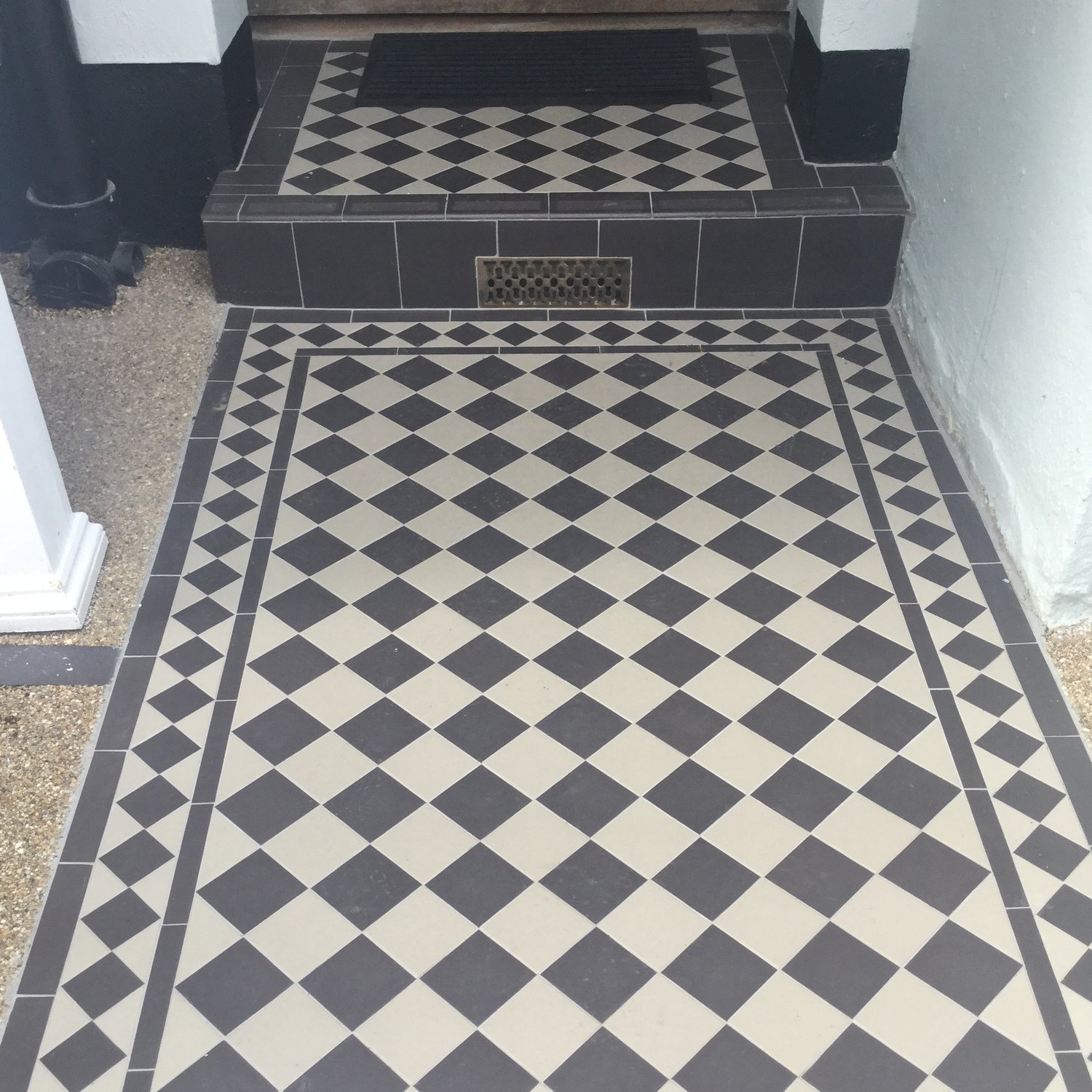
Cast iron is a highly durable material that will stand the test of time, even when it is outside and exposed to the elements. They also offer far more efficient airflow than thick terracotta bricks. And when paired with mesh, they’ll also help to keep pests out of your home.
Sign up to our mailing list for the latest news, offers and Rad inspiration. You can unsubscribe at any time.