Anyone restoring a period property will tell you the same thing: it’s the small details that matter. That’s why elements like authentic period ironmongery are so vital for capturing the true tactile appeal of a time period.
Period ironmongery is an often overlooked part of the property restoration, but it can have a big impact on the finished result. Ironmongery refers to any architectural hardware such as hinges, handles, locks and window stays.
Getting the materials right for your period property restoration can help projects to come together with ease. When the small details are true to the period, you can afford to take risks with the bigger design elements and introduce modern influences.
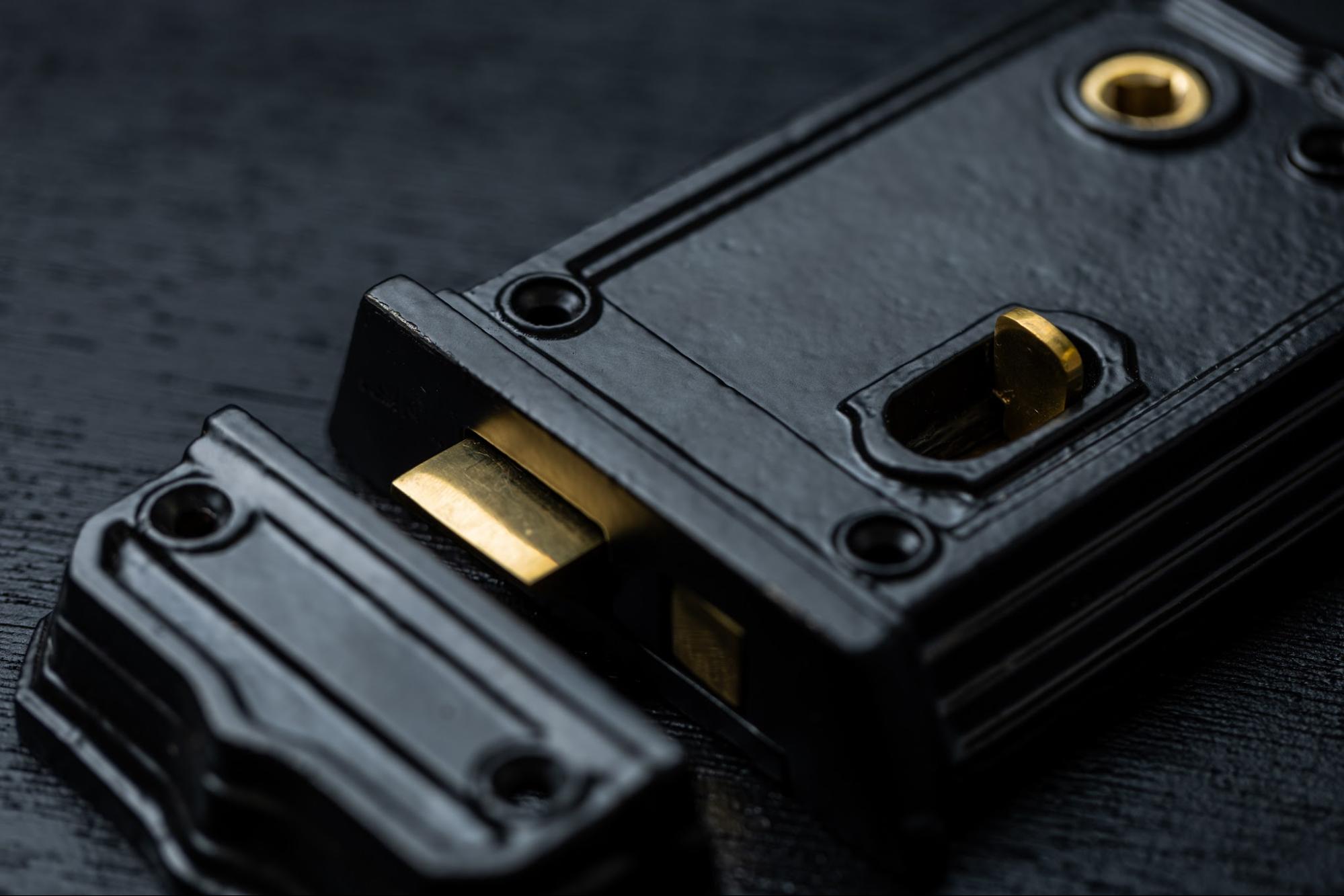
When we talk about ironmongery, we are referring to the door furniture, window furniture, cabinet hardware and architectural hardware that are commonplace in period homes. Depending on the era, these elements might be highly decorative and ornate, or they might be more simple in their design.
When renovating a period home, you’ll have a number of choices. There might be original features still in the home that you can restore and continue to use. You might be able to find originals in salvage yards. Or you might opt for authentic replicas.
When we look back at the history of ironmongery, we can see that it has often been restrained by the tools and techniques available at the time. But we can also see ways in which styles have been asserted through the rejection of trends brought about by the industrial revolution and mass production.
In Georgian times, items were typically hand-made by local blacksmiths using wrought iron and sand-cast brass. These manufacturing methods would result in irregularities between pieces, with rustic texture and fairly basic designs.
In Victorian times, mass production paved the way for more intricate designs to be produced without the associated expense. Items could be made using sand casting, allowing for more ornate designs. Items would also be coated to help prevent tarnishing.
In the Edwardian period, trends moved away from the highly ornate and towards simpler designs. You can see the Art Nouveau influences start to appear, with sleek lines and more delicate motifs.
Just as all trends are cyclical, the rise of the Arts and Crafts movement saw a return to honest and handmade finishes. This movement was a rejection of the mass production seen in the Victorian era, paving the way for items that showcase the craftsmanship of ironmongery.
Curious about the different ways these styles might show up in your home? These are some of the most common period ironmongery pieces you can expect to encounter in a period home.
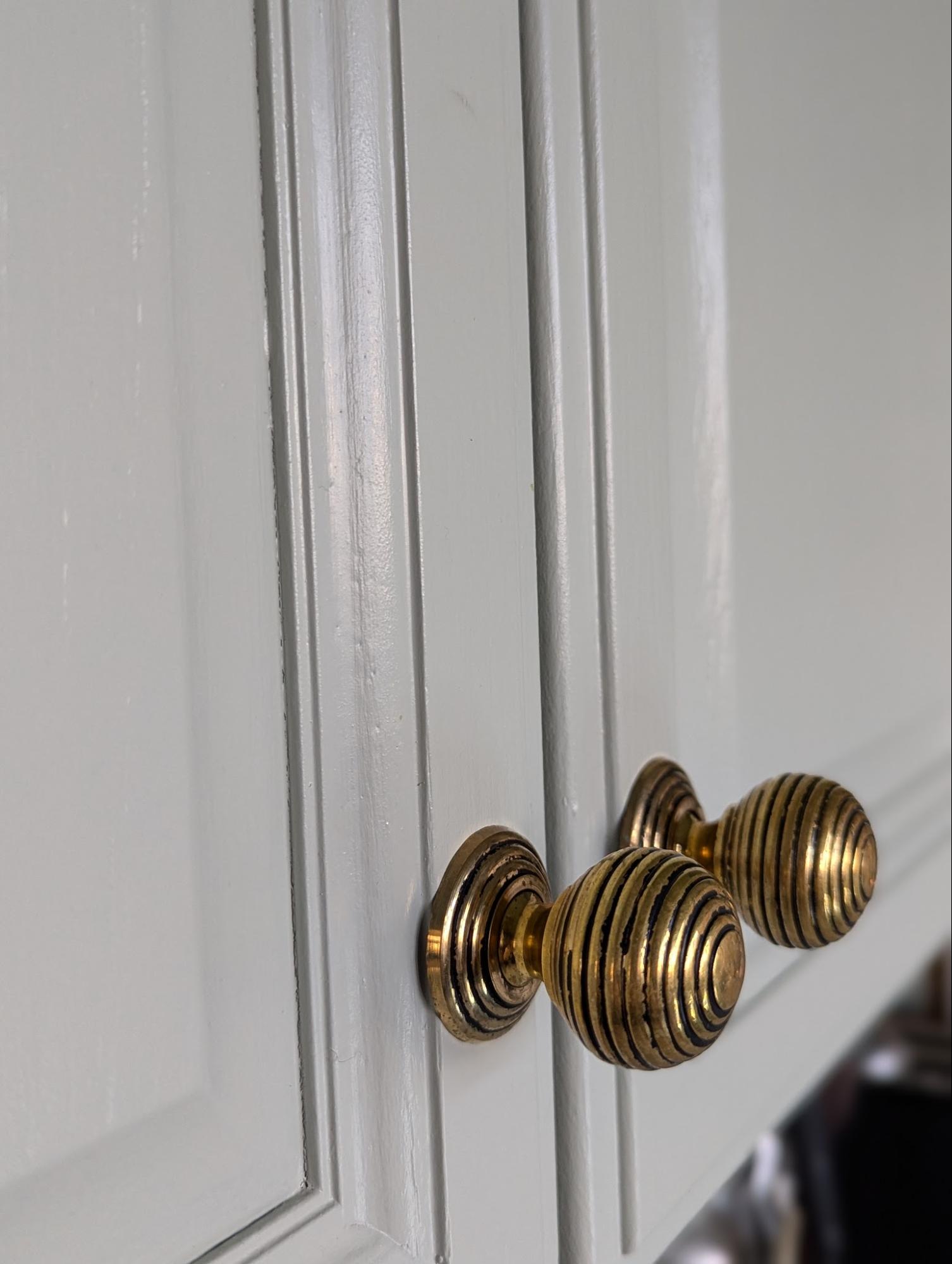
Before the door knob, people would rely on a bolt or a simple latch to keep a door closed, but the invention of the door knob mechanism paved the way for much easier access. Popular door knobs include the beehive design and the Edwardian bun.
Made from metals like brass or nickel, these simple designs often work with a mortice latch which opens when you twist the handle. The complex inner workings are one reason that original period door knobs will often need to be replaced with faithful replicas.
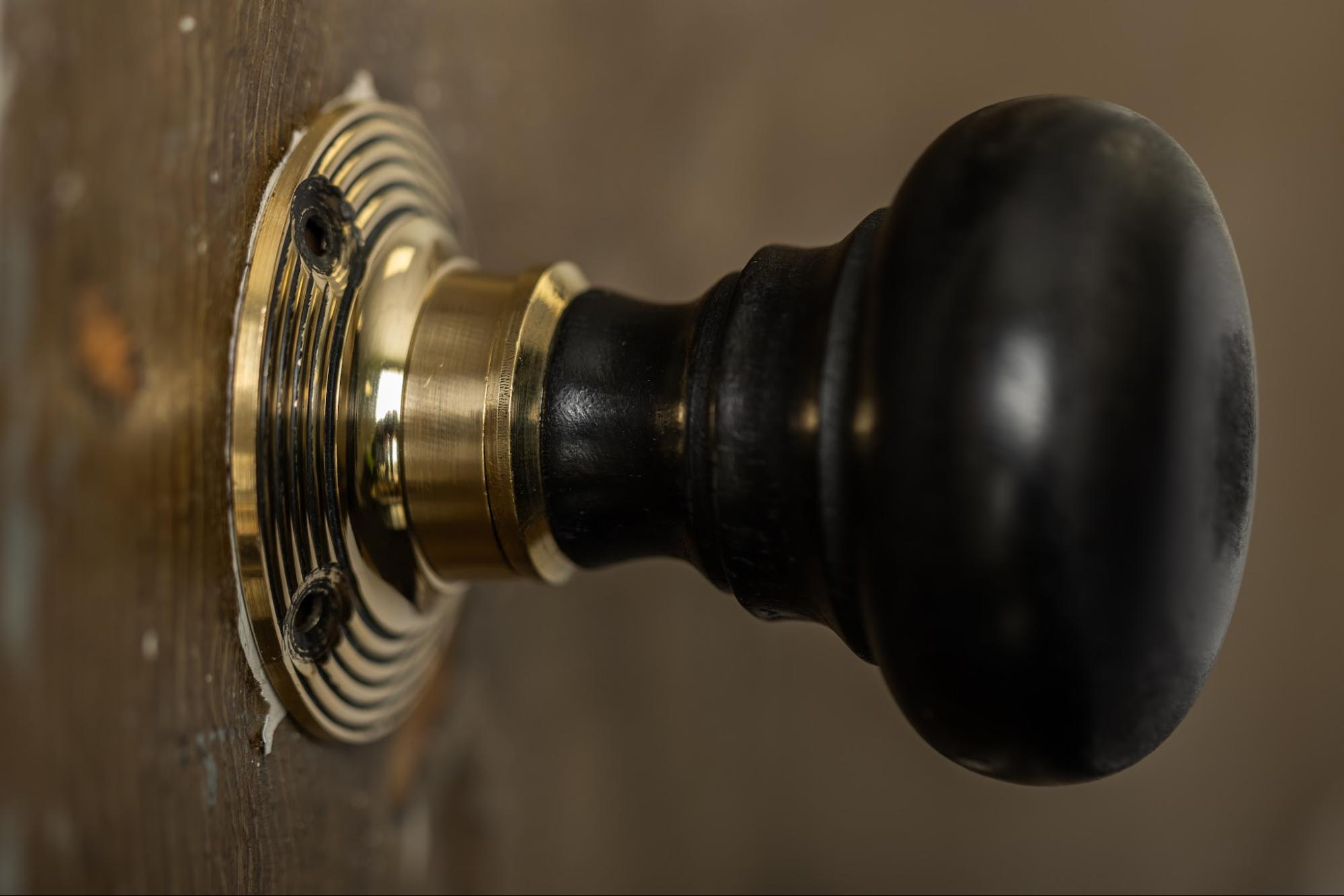
Door handles didn’t become popularised until the 1930s, which is why homeowners looking to capture the charm of the Victorian or Georgian eras are more likely to opt for a door knob. Lever handles didn’t start to show up in homes until the Edwardian period, so any reference to levers in the style of periods before this time will simply be an attempt to apply the style of that period to the lever handle style.
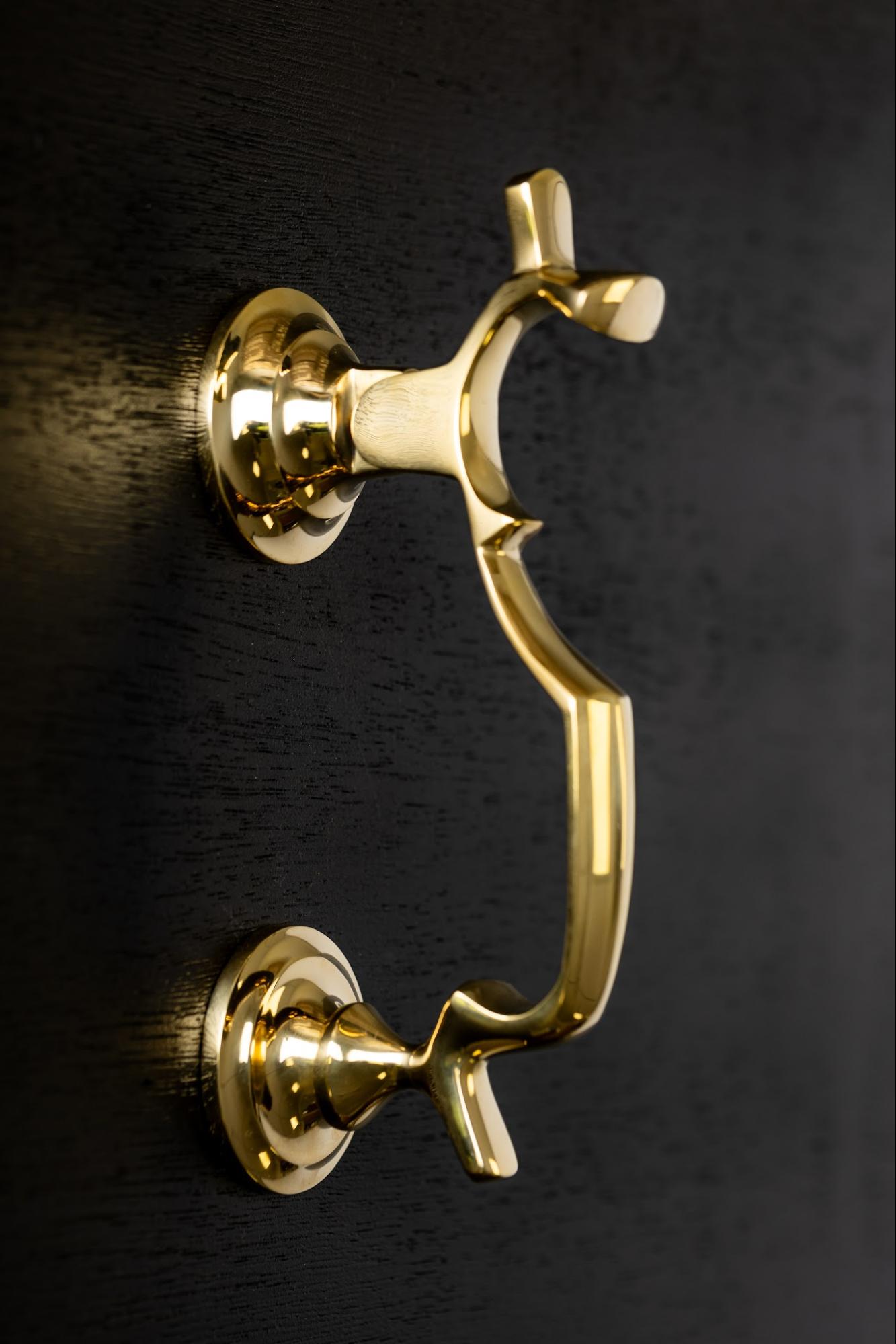
Another popular piece of door hardware is the knocker. These were seen as a sign of wealth, as they are displayed prominently on the front of your home.
Popular styles include the classic lion’s head knocker, as seen on Number 10 Downing Street. Another common style is the Doctor’s knocker, which is a linear design, originally designed to be easy to spot in an emergency.
An eschutcheon, or keyhole cover, is a decorative plate that is placed around a keyhole. They serve a number of purposes, not just being purely decorative. They can help to protect the surrounding wood from scratches from repeated key use. They also help to stop draughts and prying eyes.
The letter plate, or letter box cover, sits in pride of place on the front of your door. These became a necessity around 1849 when Royal Mail realised that knocking on every door to hand mail to the inhabitants was far too time-consuming. They encouraged households to install a hole in their door covered by a flap so that mail could easily be passed through.
A door plate provides protection for high traffic doors. They are placed at the height where one would push the door, which helps to protect the paintwork while also providing a decorative design element.
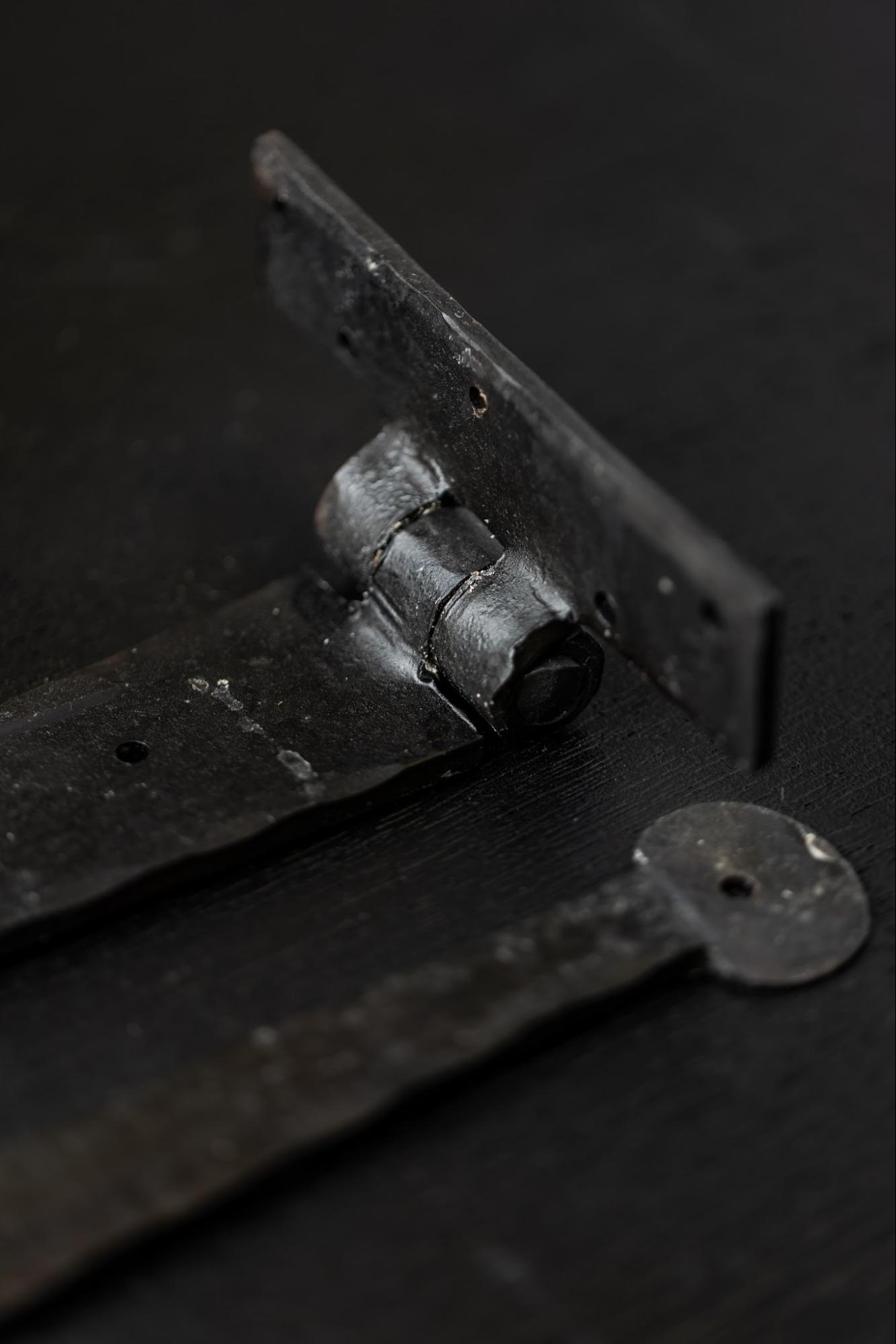
Hinges are often overlooked in period property design because they often feel more functional than decorative. Hinges can be very decorative, particularly when you choose a prominent design like our iron T-hinges.
Period style locks include rim locks and mortice locks, and there are also suffolk latches which pair beautiful with our iron T-hinges. These traditional locking mechanisms might be more prominent that modern alternatives, but there is a certain charm in seeing the mechanism on display.
If you have large period windows, you can expect to find casement fasteners and sash lifts, often made from brass or nickel. These are solid bits of hardware and can often be restored. This might help to determine the metal colour you use in the rest of the room, as you can be led by the cool or warm tones of your window furniture.
Finally, we also see beautiful period ironmongery on cabinets and other pieces of furniture. Cupboard handles and cabinet knobs are a great way to introduce metallic texture into your home. Cup drawer pulls look beautiful with traditional shaker kitchen cabinetry, or opt for smaller reeded knob designs to tie in with the rest of your home.
Making the right choices for your home starts with learning more about your property period and how designs were evolving at the time. Armed with this knowledge, you can make design choices that are aligned with your personal taste and also in keeping with your home’s history.
Keeping things cohesive by sticking to a particular period can also help to make everything feel more intentional. If original pieces are missing or damaged, consider investing in quality hardware to give your home character and durability.
Yes, it’s certainly possible to mix metals if this works with your interior design choices. You might decide you want different metal accents for a particular room, or you might use a dominant metal and then an accent metal to avoid things looking too “matchy-matchy”.
We love a classic beehive design for Victorian homes, as this is very in-keeping with design choices from that time period. A brass beehive will also develop a beautiful patina over time thanks to the grooves in the design.
You should avoid using harsh cleaning chemicals, as these can strip the patina and cause damage to the materials. We recommend using a lint-free cloth and soapy water to wipe your door knobs and other period ironmongery. You can also use a spray like WD40 to help keep moving parts working smoothly.
Sign up to our mailing list for the latest news, offers and Rad inspiration. You can unsubscribe at any time.